Electrowynk
E-Waste
‘Eco Changes’ represents ELECTROWYNK INDUSTRIES’s stance on environmental management and our commitment to continuously strive for a greener tomorrow through cutting-edge global environmental technologies and our unique strengths in manufacturing.
Minimizing our environmental impact is one of our top management priorities. We pursue this goal through technology-driven solutions and responsible actions. Supporting these efforts is a strong organizational culture that inspires every ELECTROWYNK INDUSTRIES employee to proactively drive positive change and deliver meaningful improvements in products, systems, services, and recycling practices.
Our focus on continuous improvement emphasizes size and weight reduction, enhanced performance, resource conservation, and energy efficiency. This aligns with our corporate statement, “Changes for the Better,” reflecting our enduring drive to actively seek and implement progress.
‘Eco Changes’ also symbolizes our collaboration with customers to create a better global environment. Our ultimate aim is to enhance people’s quality of life while making positive contributions to the planet.
E-Waste Management Commitment
Under the new guidelines of the Central Government of India, the E-Waste (Management) Rules, 2016 have been notified. As part of our Extended Producer Responsibility (EPR), ELECTROWYNK INDUSTRIES is fully committed to implementing these rules and ensuring strict compliance.
E-waste has been defined as “waste electrical and electronic equipment, whole or in part discarded as waste by the consumer or bulk consumer, as well as rejects from their manufacturing, refurbishment, and repair processes.”
The management of e-waste is of critical importance because it contains harmful substances that can adversely impact both the environment and human health. Through scientific and responsible disposal practices, we can safeguard our environment while minimizing potential risks to human life.
At the same time, e-waste should also be recognized as a valuable resource, containing materials of significant economic value. With proper recovery and recycling processes, useful materials such as plastics, iron, glass, aluminum, copper, and even precious metals like silver, gold, platinum, and palladium, along with hazardous elements like lead, cadmium, and mercury, can be efficiently extracted and reused.
ELECTROWYNK INDUSTRIES is dedicated to playing its part in responsible e-waste management by promoting recycling, resource recovery, and safe disposal practices in line with the Government’s vision of sustainable development.
E-Waste Collection, Storage & Recycling
To facilitate and ease the disposal of E-Waste products, Dealers, Distributors, and Customers can access complete details of the company’s process for collection and disposal of e-waste on our official website: www.electrowynk.in.
Products Covered Under E-Waste Management
The following categories of electrical and electronic equipment are included under our e-waste management program:
- Centralized Data Processing: Mainframes, minicomputers
- Personal Computing Devices:
- Personal Computers (CPU with input/output devices)
- Laptops (CPU with input/output devices)
- Notebooks and Notepads
- Office Equipment: Printers (including cartridges), copying equipment, electrical & electronic typewriters, user terminals and systems, facsimile machines, telex machines
- Communication Devices: Telephones, pay telephones, cordless telephones, cellular telephones, answering systems
- Consumer Electronics: Television sets (including LCD and LED technology)
- Home Appliances: Refrigerators, washing machines, and air-conditioners (excluding centralized air-conditioning plants)
Process of Collection, Storage & Recycling
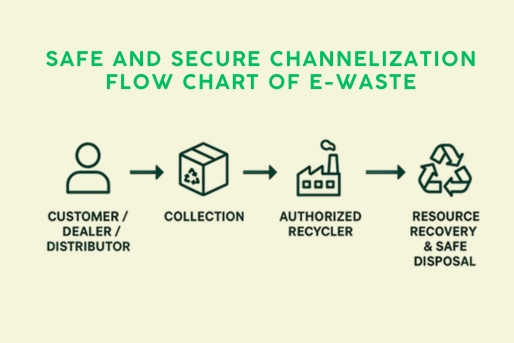
- Collection
- Customers can initiate e-waste disposal through authorized collection points or by contacting our helpdesk.
- Collection is carried out across India through our logistics partner.
- Storage
- Collected e-waste is stored at designated facilities in compliance with environmental and safety standards.
- Secure storage prevents leakage, damage, or contamination.
- Recycling & Disposal
- The company has partnered with E-Waste Recyclers India, a Government-authorized recycler, for PAN-India recycling.
- Valuable resources such as plastics, glass, metals, and precious metals are scientifically recovered.
- Hazardous and non-recyclable components are disposed of responsibly, ensuring minimal environmental impact.
Do’s & Dont’s of E-Waste Recycling
✅ Do’s
Deposit your old electronic products only at authorized collection centers or return them through the company’s take-back program.
Always remove personal or confidential data from your devices (computers, mobiles, etc.) before recycling.
Check for company-provided helpline numbers or websites for e-waste collection and disposal information.
Hand over batteries, chargers, cables, and accessories along with the main product for safe recycling.
Encourage friends, family, and colleagues to recycle responsibly.
Ensure that e-waste is handed over to an authorized recycler/dismantler
❌ Don’ts
Do not throw e-waste in household bins, municipal waste, or general garbage.
Do not burn, break, dismantle, or try to recycle e-waste at home—it can release toxic substances.
Do not give or sell e-waste to Unauthorized scrap dealers.
Do not store e-waste at home or workplace for a long period; it may cause safety and environmental risks.
Do not dispose of e-waste in open areas, landfills, water bodies, or public places.
Hazards of Improper Handling and Recycling of Electronic Waste
Improper disposal or unsafe recycling of electronic waste (e-waste) poses serious risks to human health, the environment, and natural resources.
1. Human Health Hazards
- Toxic Exposure: E-waste contains harmful substances such as lead, mercury, cadmium, chromium, and brominated flame retardants. Exposure can cause damage to the nervous system, kidneys, liver, and bones.
- Respiratory Problems: Burning of e-waste releases toxic fumes that may cause asthma, bronchitis, and long-term lung damage.
- Skin & Eye Irritation: Direct contact with chemicals from dismantled components can lead to rashes, irritation, and infections.
- Reproductive & Developmental Risks: Prolonged exposure to heavy metals can cause developmental delays in children and affect reproductive health in adults.
- Cancer Risk: Unsafe recycling processes (such as open burning or acid baths) may release carcinogenic substances.
2. Environmental Hazards
- Soil Contamination: Toxic metals and chemicals leach into the soil, reducing fertility and contaminating crops.
- Water Pollution: Hazardous substances seep into groundwater and rivers, affecting aquatic life and entering the food chain.
- Air Pollution: Burning of plastics and wires releases dioxins and furans, contributing to air pollution and climate change.
- Loss of Biodiversity: Persistent toxins from e-waste disrupt ecosystems and harm plants, animals, and marine life.
3. Economic Hazards
- Loss of Valuable Resources: Precious metals such as gold, silver, platinum, and palladium are lost when e-waste is improperly handled instead of scientifically recycled.
- High Cleanup Costs: Improper disposal creates long-term environmental damage that requires significant investment in remediation.
Negative Consequences of Improper Disposal of E-Waste Products
Improper disposal of electronic waste (e-waste) leads to a wide range of health, environmental, and socio-economic issues.
1. Human Health Risks
- Exposure to Toxic Chemicals: E-waste contains hazardous substances like lead, cadmium, mercury, and arsenic which can enter the body through air, water, or skin contact.
- Respiratory Illnesses: Burning plastics and wires release harmful gases that cause asthma, lung infections, and chronic breathing disorders.
- Neurological & Developmental Issues: Lead and mercury exposure can affect the brain, nervous system, and child development.
- Long-Term Diseases: Unsafe recycling practices may increase risks of cancer, kidney damage, and reproductive health problems.
2. Environmental Damage
- Soil Pollution: Toxic chemicals seep into the soil, reducing fertility and contaminating agricultural produce.
- Water Contamination: Heavy metals and acids enter groundwater and rivers, harming aquatic life and contaminating drinking water.
- Air Pollution: Open burning of e-waste releases dioxins, furans, and particulate matter, worsening climate change and air quality.
- Loss of Biodiversity: Toxins from e-waste disrupt ecosystems, killing plants, animals, and marine species.
3. Economic & Social Impact
- Loss of Valuable Resources: Precious metals like gold, silver, copper, platinum, and palladium are wasted instead of being recovered through proper recycling.
- Increased Waste Burden: Improper disposal adds to landfill pressure, causing long-term environmental cleanup costs.
- Informal Sector Exploitation: Unsafe recycling by untrained workers in the informal sector exposes them to severe health hazards without proper protection.